The Practical Case for a Medical Alarm with No Monthly Fee
@medicalalarmnomonthlyfeedesk
October 10, 2026 · 7 min read
When I first started helping older relatives think about personal safety at home, the recurring cost of monthly monitoring was a dealbreaker for many of them. They would look at the brochures, see the promise of 24/7 protection, and then ask the same question: "How much does it cost every month?" That question often ended the conversation. A medical alarm no monthly fee model changes that calculation entirely. It shifts the focus from ongoing expense to upfront value, and for seniors who are cautious about committing to yet another recurring bill, that makes all the difference.
Over the years I have seen families wrestle with the decision to bring a personal alarm into their home. The technology itself is straightforward. A pendant alarm or a wrist alarm can be worn in the shower, out in the garden, or while sleeping. When help is needed, pressing the button sends an emergency alert to a caregiver or a family member. But the monthly fee attached to most traditional services creates a mental barrier. It feels like a subscription you might forget you have, a small drain that adds up over time. A medical alarm no monthly fee removes that friction. You pay once, and the device keeps working as long as you need it.
What You Actually Get Without the Monthly Charge
There is a common assumption that a device without a recurring fee must be basic or unreliable. In practice, the opposite can be true. Many modern personal alarms designed for no monthly fee still include GPS tracking, fall detection, and two-way calling. They operate over a cellular network rather than a landline, which means they work even if the home phone is disconnected or the power goes out. A battery backup keeps the unit running during an outage, and the waterproof rating means it can be worn in the shower or while washing dishes. These are not stripped-down products. They are full-featured safety tools that happen to be sold without a subscription.
I remember talking to a woman in her late seventies who lived alone in a rural area outside Christchurch. She had considered a traditional service but balked at the monthly cost. Eventually she bought a no-monthly-fee pendant alarm with GPS tracking. A few months later she tripped while gardening, pressed the button, and her daughter received the alert along with her location. That single event changed how the whole family thought about ageing in place. It was not about the device itself. It was about knowing that help could arrive without a monthly bill arriving first.
Why the No Monthly Fee Model Works for New Zealand Seniors
New Zealand has a large population of seniors who want to stay in their own homes as they get older. Ageing in place is not just a preference here. It is often the most practical option, especially in smaller towns where residential care is limited or far away. A personal alarm that works without a landline and without a subscription fits neatly into that lifestyle. It gives the older person independence and gives their family a direct line of communication when something goes wrong.
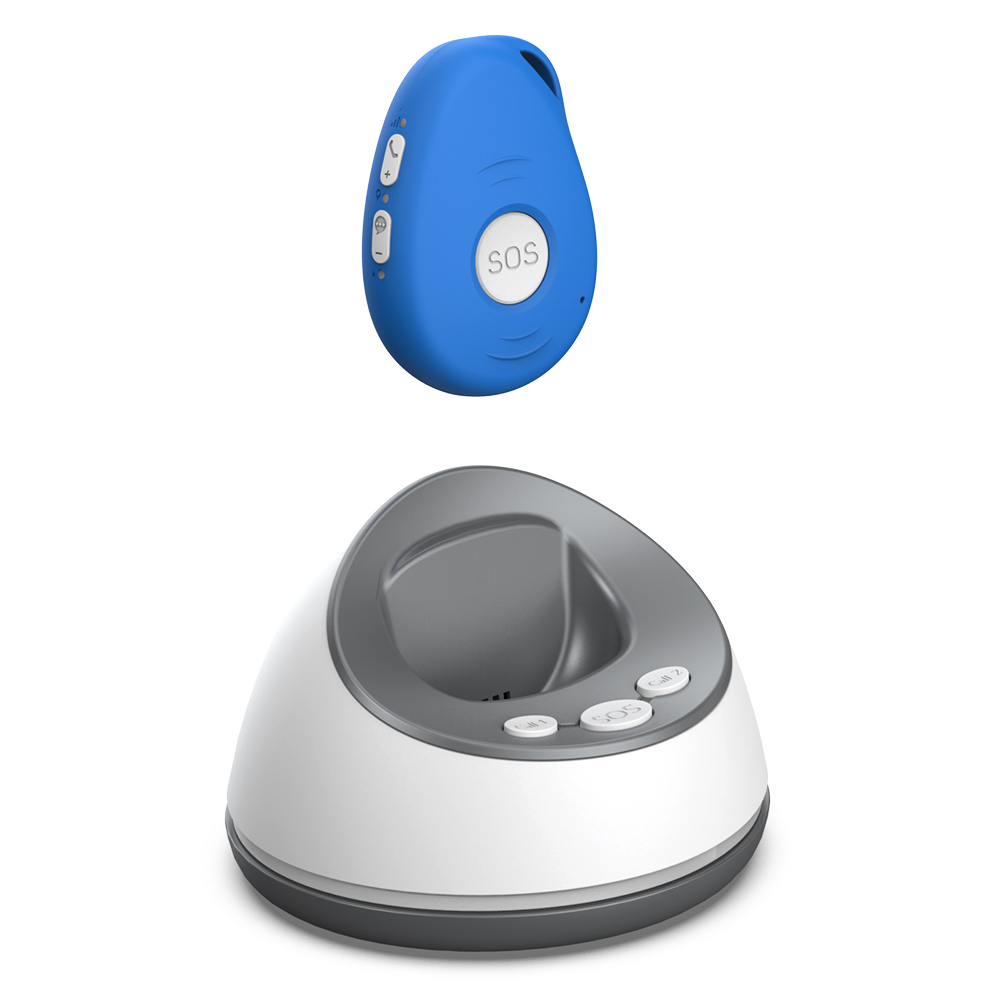
Family monitoring is a key part of that arrangement. Instead of calling a remote call centre, the alert goes straight to a nominated family member or caregiver. That person can talk through the two-way calling feature, assess the situation, and decide what to do. For many families, this direct connection is more reassuring than a stranger answering the phone. It also means there is no third party deciding whether an alert is serious enough to act on. The family makes that call themselves.
The absence of a monthly fee also makes it easier to have multiple units in the same household. A couple can each wear their own pendant alarm or wrist alarm without doubling the ongoing cost. One device in the bathroom, another by the bed, a spare for when the first is charging, the flexibility is there because you are not paying per unit per month.
Practical Details That Matter
When evaluating any personal alarm, especially one with no monthly fee, it is worth looking at a few specific features. The first is the network it uses. A cellular-based device that works on a standard mobile network is preferable to one that requires a landline. Landline-dependent alarms become useless if the phone line is cut, the internet goes down, or the home is in an area where copper lines are being phased out. A landline-free alarm that uses the cellular network avoids all of those problems.
Battery backup is another essential. If the power goes out in the middle of the night, the alarm should still be able to send an emergency alert and allow two-way calling. A unit that dies with the lights is not much of a safety net. Waterproof rating matters too, especially for seniors who are at higher risk of falling in the bathroom. A waterproof alarm that can be worn in the shower is more than a convenience. It is a practical necessity.
GPS tracking can be surprisingly useful even for people who rarely leave the house. A fall in the garden, a walk to the letterbox, a trip to the local shops, all of these are situations where location data helps a family member find the person quickly. It also gives the senior more confidence to stay active, knowing that if they get disoriented or fall while out, someone will know where they are.

Fall detection is another feature worth considering. Not everyone who falls is able to press the button. Automatic fall detection can trigger an alert even if the person is unconscious or disoriented. It is not perfect technology, no system catches every fall, but it adds a layer of protection that a simple button cannot provide.
Caregiver Relief and Peace of Mind
The person wearing the alarm is not the only one who benefits. Caregiver relief is one of the most underrated advantages of a good personal alarm system. Family members who live nearby or far away can check in less anxiously when they know the alarm will alert them to a problem. They do not have to call three times a day to make sure everything is okay. They can go about their own lives with more peace of mind.
I have spoken to adult children who say the alarm reduced their stress more than anything else they tried. One man told me that before his father got a pendant alarm, he would call every morning and every evening just to hear his voice. After the alarm was set up, he called once a week. The alarm did not replace the relationship, but it removed the constant worry that something might have happened overnight and no one would know.
That kind of peace of mind is hard to put a price on. But the fact that it comes with a medical alarm no monthly fee makes it accessible to more people. It removes the financial barrier that often stops families from making the purchase in the first place.
What to Look for When Choosing
If you are considering a personal alarm for yourself or a family member, here are a few things to check before buying:

- Does it work on a cellular network, or does it require a landline? Landline-free is better for reliability and portability.
- Is it waterproof? A shower-safe unit is far more useful than one that has to be taken off before bathing.
- Does it include GPS tracking? Even if you think it will only be used at home, location data can be critical in a fall or wandering situation.
- How does the battery backup work? Make sure the unit will keep running during a power cut.
- Who receives the alert? Family monitoring can be more responsive and more personal than a central call centre.
These are the practical questions that separate a well-designed system from one that looks good on paper but falls short in real use. A medical alarm no monthly fee is only valuable if it actually works when you need it. The features above are what make it work.
Final Thoughts
The personal alarm market has changed a lot in the last decade. The old model of buying a basic device and paying a monthly monitoring fee is no longer the only option. For seniors in New Zealand who want to maintain their independence, stay in their own home, and give their family a direct way to help in an emergency, a no-monthly-fee alarm is a practical and affordable choice. It removes the recurring cost, puts control in the hands of the family, and still delivers GPS tracking, fall detection, two-way calling, and 24/7 protection through the cellular network. That combination is hard to beat.